Become What You Behold
Our brains think in images — and that’s why vision boards, lock-screen pictures, and a disciplined imagination matter when we set goals. Here’s how to make your vision specific and put it to work.
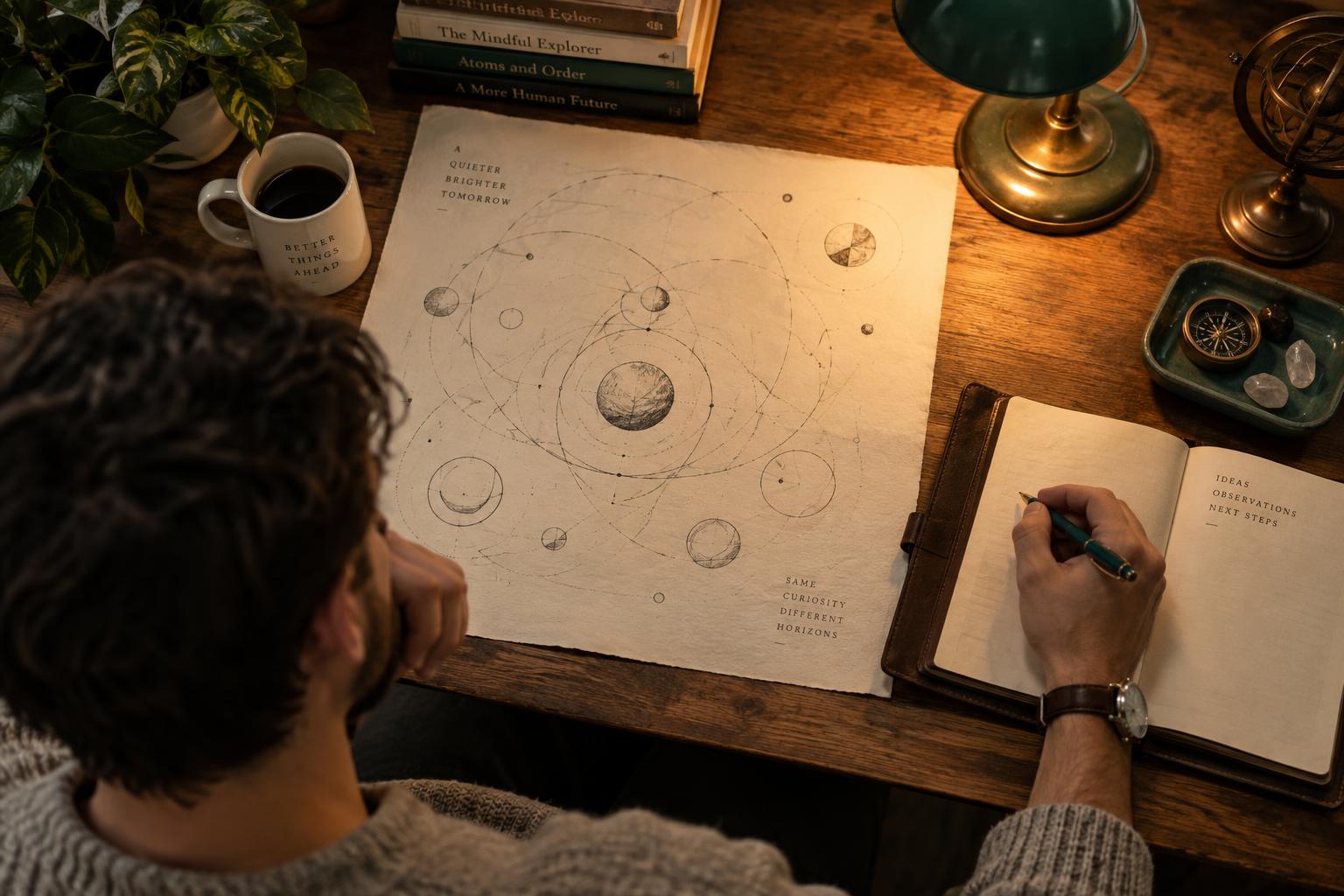
The principle “you become what you behold” is one of the reasons we utilize vision boards and imagery. Our brains think in images. If someone asks you, “How many windows do you have in your home?” you probably picture your house and count them in your mind rather than wait till you get home. This ability to create a mental image is what we call imagination.
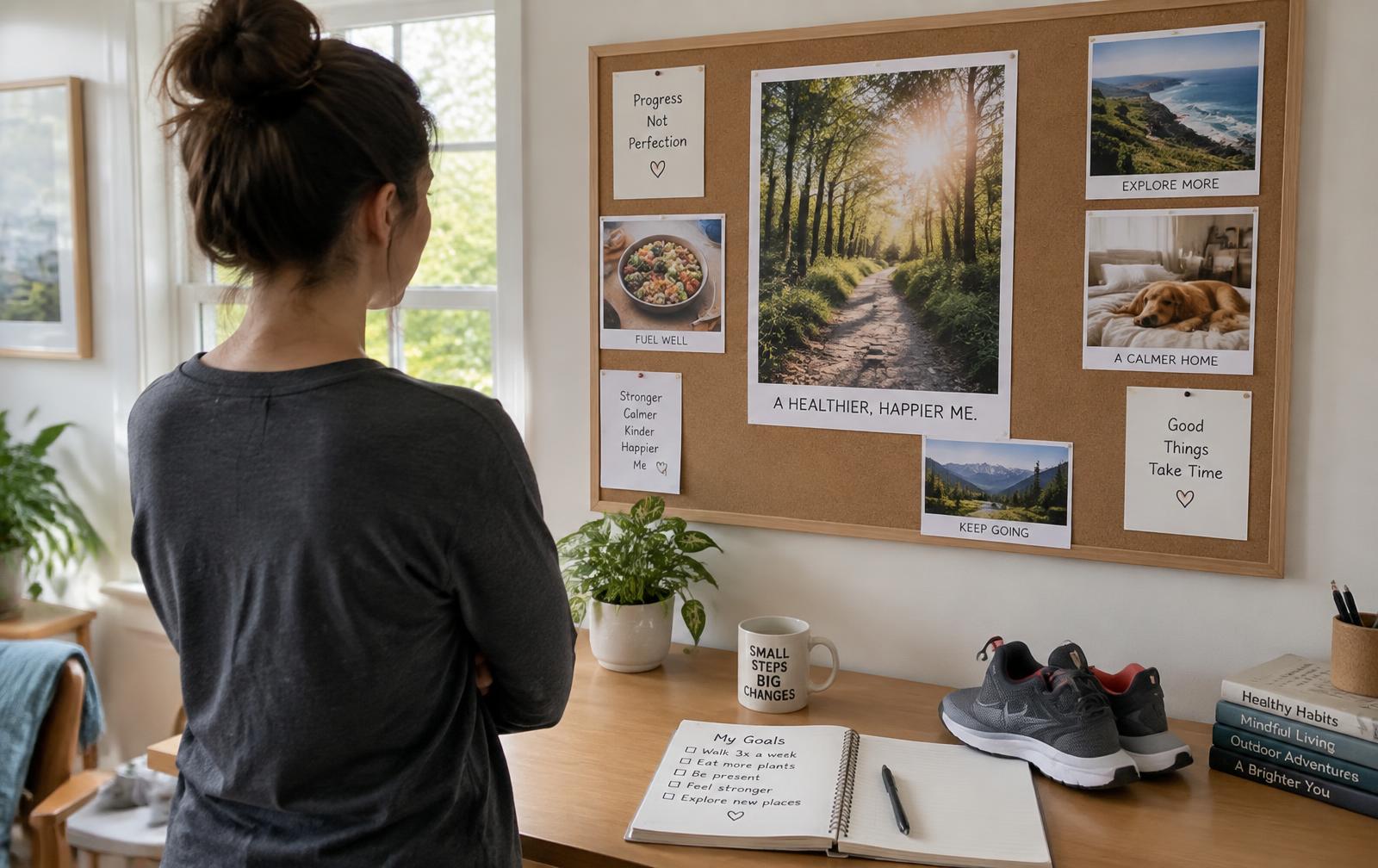
It is because our brains use pictures and images that vision boards and lock screen pictures have become a tool to use when setting goals. Have you heard the story from John Assaraf? They moved into a house and there were some boxes in his office that remained packed. His son asked, “What’s in these boxes?” John answered, “Those are my older vision boards.” “What’s a vision board?” his son asked. Pulling a vision board out from five years earlier, he realized the image of the exact house they had just moved into was cut out and on the board.
Make It Specific
That’s a remarkably specific outcome. And it brings about an important point when it comes to our vision boards and imagination. We need to be specific when setting goals. If we set a goal to exercise more, that’s a nice idea, but there’s no clarity nor measurable outcome. A better goal is “I’ll walk every day at lunch for 10 minutes.” This is specific and can be tracked and measured. Then we find an image of what we want to look like or of someone walking. Images like this support the goal.
Rehearse the Steps
Sports psychology offers a useful parallel: athletes use mental rehearsal to prepare for performance. Watching game footage and imagining a movement are different practices, but both illustrate how preparation can extend beyond physical training. Consider what trainers call the mental game: visualizing their stroke, their dive, or their win. Michael Phelps shares how he visualized his swims, including possible obstacles like broken goggles. Jack Nicklaus is famous for stating that before he took any swing, he saw it in his mind first.
That brings me back to the use of your imagination. Because we think in images it makes sense to utilize our imaginations, in addition to vision boards and images on our lock screens, when we set a goal. We can visualize the outcome of that goal with our imaginations as a practice that supports us as we work toward our goals.
I’ve heard it stated this way: “If we can imagine it, we can achieve it” or “If you can see it in your head, you can hold it in your hands.” These are helpful catchy phrases that make a principle easy to recall. I believe that our imaginations hold a key for us. But imagination is not a genie’s lamp that grants every wish. Consider an inventor who first imagines an invention, then sketches it on paper, and eventually brings it into reality. Working toward a goal can follow a similar pattern.
“Imagination should be used, not to escape reality, but to create it.” —Colin Wilson
Notice What You’re Rehearsing
This brings me to another point. You are most likely using your imagination frequently. Sometimes our imaginations rehearse outcomes we fear. We replay a difficult conversation or turn an unanswered message into a story of rejection. These reactions are human. The practice is to notice them and redirect your attention toward what you know and what you can do next.
In a recent reel about this very topic, I share why training our imaginations for the positive use of creation rather than escape or dreadful outcomes is a wise practice. Our attention and energy are directed toward what we give our attention to. If we are frequently thinking and engaging our imaginations in a way that perpetuates negativity, we’re going to experience emotions and more thoughts that perpetuate negativity. Likewise, if we utilize our imagination for creativity and growth, we can experience positive emotions and thoughts to perpetuate positivity. The catchy phrase to help us remember this is “where attention goes, energy flows.”
I want to encourage you through this blog to begin to put your imagination to use. I also want to encourage the use of other images such as vision boards and lock screens. But remember that just random images that don’t support a specific goal have little value. Images that clearly back a specific and measurable goal are the way to go.